Checklist: Preparing Your Home Before an Amber Wind Warning
An amber wind warning sits between yellow and red, and it means what it sounds like: conditions are expected to disrupt travel, bring down branches and interrupt power across the area it covers. The forecast is specific enough to act on. An hour spent now is worth far more than an evening of scrambling later.
Almost everything below is easier, cheaper and safer to do in calm weather. Once the gusts arrive, the only sensible place is indoors, and anything left undone will have to wait.
Start in the Garden, Where Most Damage Begins
Nothing loose stays where you put it. A wheelie bin becomes a battering ram, a trampoline becomes a kite, and a parasol left standing will eventually find a window.
Bring it in, or weigh it down
- Garden furniture, cushions, parasols and their bases
- Plant pots, hanging baskets, watering cans and garden tools
- Trampolines — turn them over, anchor them, or take them apart if you can
- Bins and recycling boxes, or weigh the lids down and move them against a wall
- Children's toys, paddling pools, bird feeders and washing lines
Check shed and greenhouse doors and latch them properly; an open door turns a light structure into a sail. Note anything already loose in your fencing, but leave the repairs until the wind has passed.
Trees, fences and cars
This is not the day to prune a tree or clear a gutter from the top of a ladder. If branches overhang the house, watch them from indoors and call a qualified tree surgeon once the weather settles. Park away from trees, old walls and anything that could come down, and put the handbrake on firmly if you're leaving a car on a slope.
The Loft and Everything Above Your Head
If you can get into the loft safely, have a look. Daylight through the roof, damp patches or slipped felt are worth knowing about now rather than at two in the morning. Close roof windows, check the hatch is secure, and shift stored boxes away from the eaves so nothing can topple onto anything important.
If there's a cold-water tank up there, make sure the lid is on and the pipes are lagged; wind warnings often arrive with a change in temperature. Aerials, satellite dishes and solar panels are best checked by someone qualified. Don't get onto the roof or lean out of an upstairs window to chase a loose tile. Water coming in is a nuisance; a fall is not.
The Kitchen: Plan for the Lights Going Out
Power cuts are one of the more common effects of damaging wind, so treat the kitchen as your base for the day.
- Charge phones, tablets and power banks while the electricity is still on.
- Fill the kettle, a flask and a couple of bottles with water.
- Put a torch or LED lantern in a drawer you could find in the dark, and check the batteries.
- Know what's in the freezer, and keep the door shut if the power fails — food stays cold far longer that way.
- Have matches to hand if you cook with gas; a gas hob can often still be lit when the electricity is off.
Skip candles where you can. Torches and battery lanterns are safer, particularly in a house with children or pets. If your water comes from a private supply or a pump, fill the bath and a few containers before the wind picks up.
Living Room, Hallway and Stairs
The aim here is a clear, lit route through the house and as little as possible near glass. Move ornaments, mirrors, lamps and heavy objects off windowsills, and take down pictures from walls that face the weather. Close and latch every window and external door, then shut the internal doors; if a window does go, closed doors limit where the rain and glass end up. Drawing the curtains adds another layer between you and flying debris.
Keep the hallway clear of shoes, bags and trailing cables so you can move in the dark without tripping, and leave a torch by the front door. Find your stopcock and your consumer unit now, while you can see what you're doing. If you have a garage, check the up-and-over door is properly secured — strong gusts can lift them.
Bedrooms and Bathroom
Bedrooms take five minutes. Close the windows, draw the curtains and move anything heavy from high shelves. If there's room, shift the bed slightly away from the window. Leave a torch and a pair of shoes beside it; if glass breaks in the night, you'll want both.
In the bathroom, shut the window and check that the extractor vent isn't rattling loose. Clear the sill. Filling the bath before the wind arrives gives you a reserve for flushing if the supply is interrupted, which is more likely in rural areas or where pumps are involved.
Devices, Paperwork and the People Next Door
Some of the most useful preparation isn't physical. Keep your phone topped up and a battery radio within reach; local radio is often the quickest source of information when the power is out.
- Your electricity network operator's emergency number, written down rather than saved in a phone that might run flat
- Your insurer's claims line and your policy number
- A couple of neighbours' numbers, in case the mobile signal goes with the power
- A small amount of cash, if card machines and ATMs go down
A full tank of fuel saves queueing later. And check on anyone nearby who lives alone or might struggle with a bin, a gate or a heavy garden chair. Two minutes of your time makes a real difference to them.
When the Wind Arrives
Once the gusts are here, the checklist is done. Stay indoors and away from windows, and resist the urge to go out after a bin or a garden chair. Drive only if you have to, and expect debris, fallen branches and high-sided vehicles behaving unpredictably on exposed routes. Give the coast a wide berth, and keep clear of scaffolding, old walls and trees when you're walking.
If the power goes, report it to your network operator and keep the fridge and freezer doors shut. Don't attempt repairs to the roof, the fence or the shed while it's still blowing. When the wind drops, photograph any damage before you move anything, and ask your insurer what's covered before you start clearing up. Anything involving a ladder, working at height or a qualified tradesperson is a job for someone else.
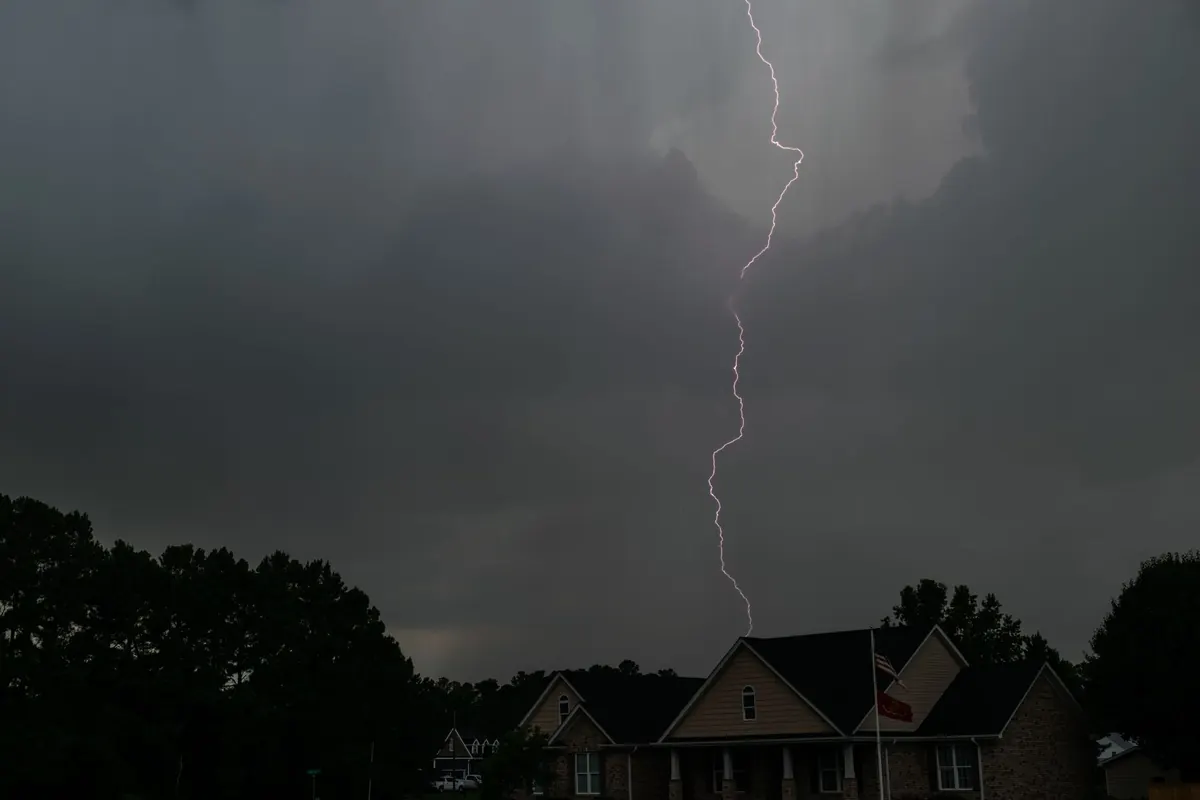
Photo: Lance Stephenson / Pexels


You Might Also Like
A practical guide to building a personal severe weather watch routine: checking forecasts, setting useful alerts, and writing a simple trigger plan before the storm arrives.
UK wind records are messier than they look. This explainer covers what the data can and cannot tell us about wind trends, and why weather is not climate.